How I Discovered One Way Window Film for Privacy
Last summer I moved into a ground-floor apartment with floor-to-ceiling windows that faced a busy sidewalk. I loved the natural light but hated feeling like a fish in a bowl. After a few weeks of awkwardly changing clothes behind the couch, I finally tried one way window film for privacy. Honestly, it solved my biggest complaint without sacrificing the sunlight I crave. I could finally enjoy my morning coffee without making eye contact with every dog walker passing by.
I picked up a roll of VistaGuard mirror film after reading reviews that called it “the daytime sichtschutz” that actually works. The idea is simple: when it is brighter outside than inside, the film acts like a mirror to anyone on the street. Meanwhile, you still see the trees, the cars, and that one squirrel that raids the bird feeder. It felt like getting a pair of sunglasses for my windows.
How I Chose the Right Mirror Window Film for My Home
Not all mirrorwindowfilm is the same. Some are too dark, some bubble up after a week, and some leave a sticky residue when you peel them off. I learned that the hard way after a cheap drugstore brand turned my living room into a funhouse mirror. The VistaGuard film I eventually bought was a polyester-based static cling type with a silver reflective coating. It let in about 70 percent of visible light, which felt brighter than most curtains.
Here is what I looked for before buying:
- Static cling vs. adhesive – static cling is easier to remove and reuse, but adhesive stays flat better on textured glass. I chose static cling because I rent.
- UV rejection percentage – most quality films block 80 to 99 percent of UV rays. My plants actually stopped getting sunburned leaves.
- Thickness – a 2 to 3 mil film is sturdy enough to apply without tearing but thin enough to look seamless.
- Rating for privacy during daytime only – the product description should clearly say “one-way daytime privacy,” not 24-hour.
I recommend ordering a small sample first. Tape it to a window and look from outside during midday. You will see exactly how reflective it appears versus your interior visibility.
The Simple DIY Installation That Worked for Me
I am not a handy person. I have trouble hanging picture frames straight. So when I read that DIYwindowtreatment with this film could be done in 20 minutes, I was skeptical. But the process really was straightforward. You just clean the glass until it squeaks, spray it with a soapy water solution, peel the backing, and slide the film into place.
My biggest tip is to work with a partner. One person holds the top corners while the other squeegees from the center outward. I tried alone and ended up with a crease that looked like a smiley face. With a second set of hands the film went on perfectly flat. Also, use a soft credit card wrapped in a microfiber cloth if you do not have a squeegee. It removes bubbles without scratching the coating.
After installation I waited 48 hours before touching the film. That gave the static cling time to bond. The result was a clean, mirror-like finish that made my windows look like they had been professionally treated.
Why Window Privacy Screens Don’t Have to Block Natural Light
Before this project, I assumed any windowprivacyscreen would darken my room. But the whole trick of one-way film is that it lets light travel in but reflects it back out. During the day, my apartment stays bright. I can read a book two feet from the window without a lamp. The film actually diffuses the light a little, which cuts down on harsh glare on my computer screen.
Keep in mind that the one-way effect only works when it is lighter outside than inside. At night, if you turn on a lamp, the film becomes transparent from the street side. So I pair the film with light-filtering blinds that I close after sunset. That small habit keeps my privacy for your home intact around the clock. It is not a perfect 24-hour solution, but for daytime living it is unbeatable.
Adding Room Decor Ideas with Film Instead of Curtains
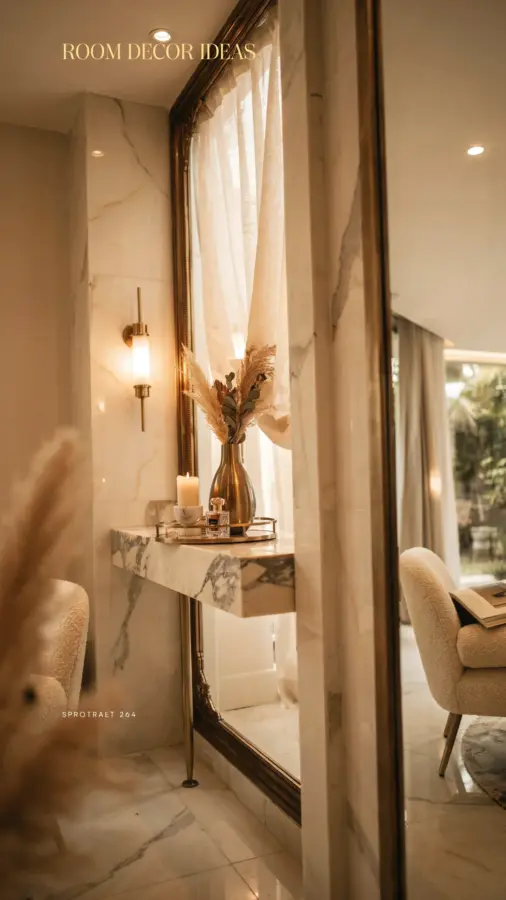
When I removed my heavy drapes, my room decor ideas suddenly opened up. The reflective film has a sleek, almost metallic sheen that looks modern and minimalist. I added a simple white Roman shade that rolls up during the day, so the mirror effect stays visible. Guests often ask if I had the windows replaced because the film looks that polished.
You can also use the film to create a decorative pattern. I have a friend who cut strips and applied them in a horizontal stripe pattern on her bathroom window. That gave her privacy while keeping a band of clear glass at the top for light. For my bedroom, I used a frosted
#windowprivacyscreen #mirrorwindowfilm #privacyforyourhome #DIYwindowtreatment #roomdecorideas
Leave a Comment