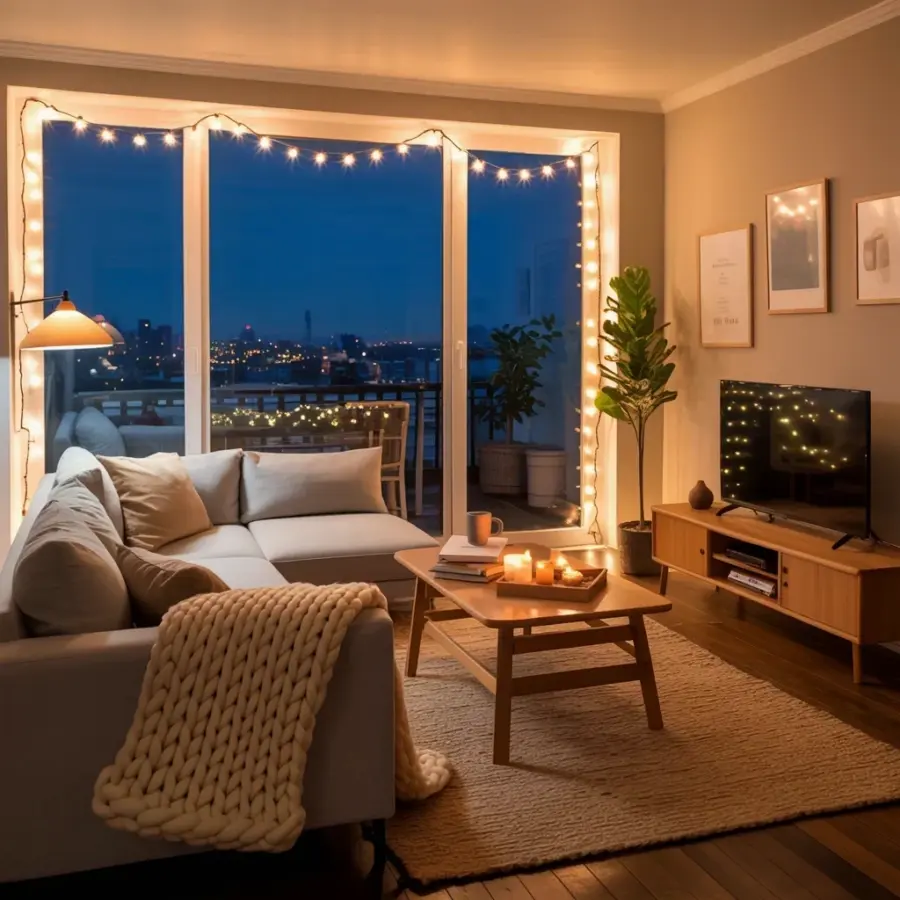
Ok so you’re here because you’ve been scrolling Japandi bedroom ideas for an hour, and now every other decor style just feels loud and exhausting. I get it. I spent three weeks obsessing over this exact aesthetic before I redid my own room, and honestly, the results changed how I sleep and how I wake up. These 16 modern Japandi bedrooms aren’t just concept photos from a Pinterest board; these are real spaces you can actually replicate with a little patience and a firm grip on your wallet.
# What Makes a Japandi Bedroom Actually Work
Look, Japandi isn’t just a hashtag mashup. It’s a genuine design philosophy that pairs Japanese minimalism with Scandinavian functionality and warmth. At its best, it’s not a strict formula. It’s a feeling you build with careful choices, like the weight of a linen duvet on your legs or the soft grainy texture of a pale wood floor under your bare feet on a cold morning. The magic happens when you strip away the noise and keep only what serves your rest.
Over the years, I’ve found that the style hinges on three pillars: natural materials, a muted earthy palette, and furniture that sits low to the ground. If you nail those, you’re ninety percent of the way there. The other ten percent is just resisting the urge to fill empty corners with random junk.
### How to Choose a Low Japandi Bed Frame
Let’s talk about the bed frame, since it’s the anchor of the entire room. The low profile is a non-negotiable for me, and if you have back problems, I know it sounds scary, but hear me out. A frame that sits just ten or twelve inches off the floor brings the center of gravity down and makes the whole room feel more grounded and calm.
Look for solid wood like ash, oak, or walnut. I avoided anything with a glossy finish because it reflects too much light and kills that matte, quiet mood. Instead, I found a frame with a natural oiled finish that lets the grain show through. It’s beautiful, but I have a small confession: the first one I ordered was too low for my body to get out of bed comfortably. I actually had to roll out like a stuntman for a week. So measure your mattress height and your own mobility before you commit.
### The Best Japandi Colors for a Small Bedroom
If your bedroom is small, color becomes your secret weapon. I painted my own walls in a soft, warm white with a hint of greige, and it made the 10×10 space feel twice as large. You want to stick to a palette of pale woods, stone tones, and organic neutrals like sand, oatmeal, and mushroom grey.
Avoid pure white. I know it’s tempting, but it can feel sterile and cold, almost like a hospital or a gallery. Warm off-whites, soft beiges, and quiet sage greens are your best friends. They create depth without making the room feel cramped or busy.
Here are a few color combinations I’ve personally tested and loved:
– **Pale oak and off-white:** the safest, most classic base.
– **Dusty sage walls with unbleached linen:** adds a whisper of color without shouting.
– **Warm taupe and dark walnut accents:** gives the room a bit of weight and sophistication.
– **A single charcoal accent wall:** something bold, but still within the muted family.
### Natural Lighting Tips for a Japandi Bedroom
I’m about to sound like a lighting snob, but the overhead ceiling light is the enemy of Japandi. It’s harsh, it’s flat, and it completely destroys the intimate atmosphere you’re trying to build. Instead, I use layered, low-level lighting that mimics the soft glow of the sun at dawn.
I have a tripod floor lamp in the corner with a washi paper shade, plus two small ceramic table lamps on either side of the bed. The bulbs are warm, around 2700 Kelvin, which gives off a honey-colored glow. And during the day, I keep my sheer linen curtains almost fully drawn to diffuse the sunlight. That soft, filtered brightness is what makes the pale wood and textiles look so alive. Honestly, it makes my skin look better in the mirror too, but that’s a total bonus.
### Japandi Bedroom Accessories That Are Not Trendy Junk
This is where I see so many people fall into a trap. They want a Japandi bedroom, so they buy every single “aesthetic” accessory they can find, and suddenly the room looks like a display stall at a craft fair. The rule I follow is simple: every object needs to have a purpose or a story.
Instead of a shelf full of dusty trinkets, I have a single handmade ceramic vase with eucalyptus stems, a stack of the books I’m currently reading, and a small wooden tray for my watch and glasses. I also use unbleached linen pillowcases and a chunky knit throw at the foot of the bed. If you need a visual anchor, a single piece of abstract art in earthy tones works wonders, but keep it simple. Please, do not buy a sign that says “Live, Laugh, Love” in a Zen font.
### Cozy Japandi Bedroom on a Budget
You do not need to spend your entire savings on designer furniture to make this style work. I know this because I built my entire room for under six hundred dollars. I scoured flea markets for a solid wood bench and used it as a nightstand. I bought my bedding from a small online retailer during a sale, and I painted my old IKEA dresser in a matte clay color to blend in.
One of my favorite tricks is to mix high and low. A cheap bamboo tray from a big box store can look amazing when paired with a thrifted stone vase. Also, look up “Japandi bedding” on Amazon; you’d be surprised at the quality you can find for almost nothing. The secret is the styling, not the price tag. The texture does the heavy lifting, not the brand label.
### What I Learned the Hard Way About Japandi Style
Alright, I need to share some failures so you don’t make the same mistakes I did. My first attempt at this style was a disaster because I thought minimalism meant having almost zero furniture. So I had a bed, a nightstand, and a bare floor. It looked empty and institutional, not cozy. It took me a long time to realize that Japandi is about intentional emptiness, not just emptiness.
Another mistake? I bought a plastic laundry hamper. It was white, but it still clashed horribly with the natural fibers everywhere. I swapped it for a woven seagrass basket, and the difference was instant. Also, ignore the ‘everything must match’ urge. I have two different nightstand heights and different lamps, and honestly, the slight imbalance makes the room feel more collected and human.
The biggest takeaway for me is that this style forces you to slow down and think about your habits. It makes you ask, “Do I actually need this?” The answer is usually no. And that process is way more rewarding than just filling a room with stuff. You end up with a space that feels truly curated, calm, and entirely your own.
When you think about these Japandi bedroom ideas, try not to see them as strict rules. Instead, view them as suggestions for a slower, softer way of resting. Start with one corner, change your bedding, lower your lamps, and see how it feels. You might end up obsessed like me, but in a quiet, minimalist kind of way. So, which one would you try first? Save this for later and go make your room a sanctuary.
Leave a Comment